(Chinhphu.vn) - In the first quarter of 2026, the agriculture, forestry, and fishery sector continued to affirm its role as the backbone of the economy with a growth rate of 3.58%, contributing 5.60% to GDP. Export turnover reached 16.69 billion USD. However, behind these positive figures are downward price pressures on many key commodities, shrinking markets, and an urgent requirement to transition toward a high-quality, sustainable growth model.
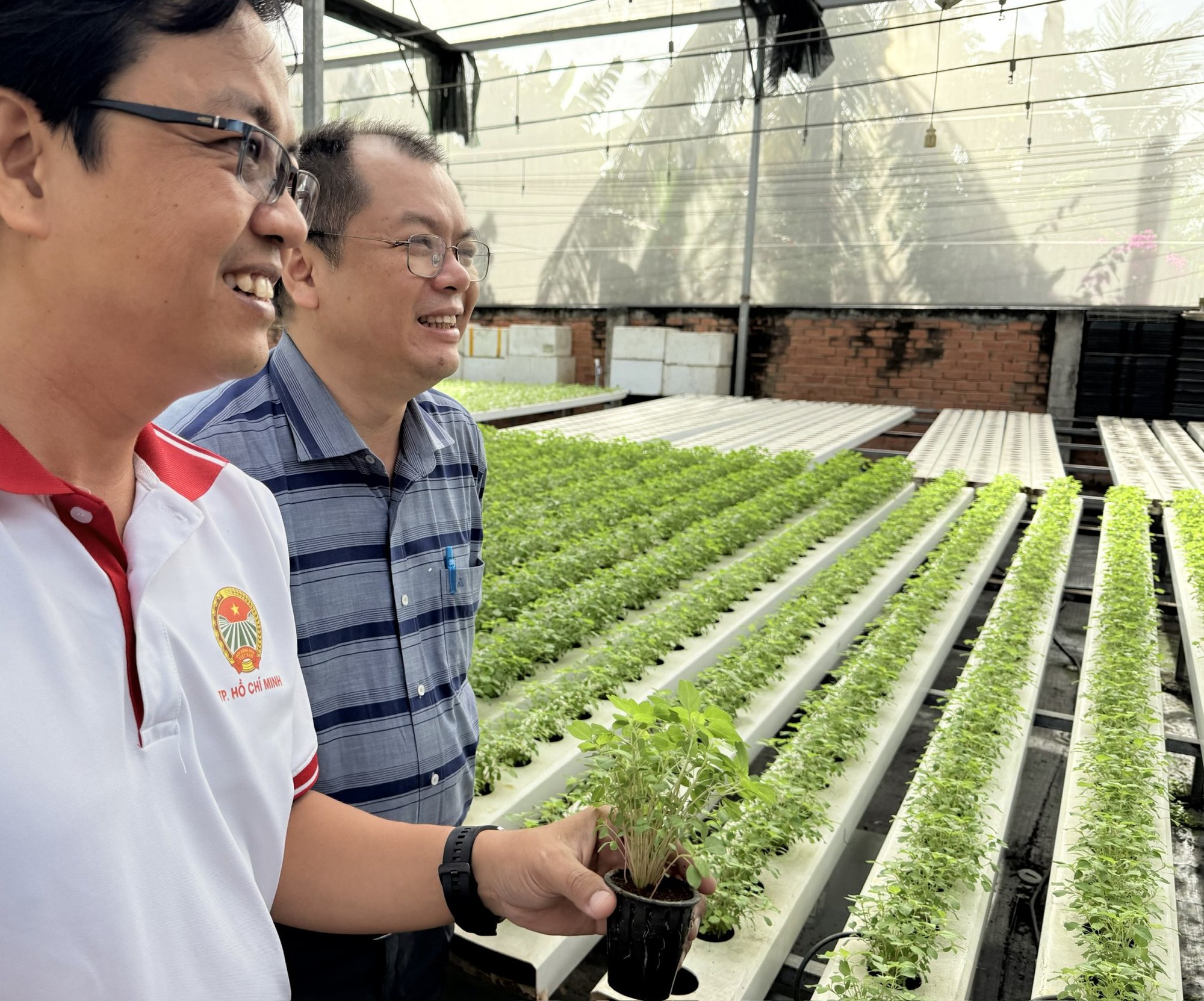
Applying high technology in agriculture helps many products improve in both quality and value - Photo: VGP/Do Huong
Maintaining the backbone role amidst mounting volatility
According to data from the General Statistics Office, GDP in the first quarter of 2026 is estimated to have grown by 7.83% year-on-year, higher than the 7.07% increase recorded in the first quarter of 2025. Within this, the agriculture, forestry, and fishery sector grew by 3.58%, continuing to make significant contributions to the overall growth of the economy.
Amid ongoing global economic uncertainties and high growth targets set right from the start of the year, the Government determined that the agricultural sector must not only serve as a backbone but also become a new driver for development, aiming toward a 100-billion-USD export target by 2030.
Agricultural production in Q1 saw numerous bright spots. The perennial crop group achieved solid growth, with durian rising by about 15%, jackfruit by 12.8%, and dragon fruit by 3.1%. Livestock breeding continued to recover, with the total pig herd up 2.9% and poultry up 3.3%; live-weight pork output reached 1.44 million tons, up 4.9%.
Agro-forestry-fishery export turnover in the first three months reached 16.69 billion USD, a 5.9% year-on-year increase. In the first two months alone, turnover exceeded 11 billion USD—up 17.1%—driven primarily by surging demand from the Chinese market.
The entire sector recorded a trade surplus of 4.78 billion USD. Several major contributing sectors such as wood and wood products, coffee, and shrimp continued to retain their mainstay roles.
Fruits and vegetables emerged as an outstanding bright spot, reaching 1.54 billion USD, a 32.1% surge. Pepper climbed sharply in both volume and value. Fisheries also sustained positive growth momentum.
However, a notable paradox is that many commodities increased in production volume but declined in value. Coffee grew 12.6% in volume but dropped 6.4% in export turnover due to a steep decrease in average prices. Rice barely grew in volume while its export turnover decreased by 7.8%.
This reality demonstrates that downward pressure on export prices is mounting, underscoring the necessity to shift from volume-driven growth to enhancing quality and added value.
Additionally, exports to the United States market dropped by 5.2%, reflecting headwinds from commercial competition and increasingly rigorous technical barriers. The seafood sector, particularly shrimp, also faced impacts from trade defense measures.
One of the strategic directions for the agricultural sector in 2026 is the implementation of the Scheme for Developing 1 Million Hectares of High-Quality, Low-Emission Rice in the Mekong Delta.
This is a pivotal step toward increasing the value of rice grains while contributing to greenhouse gas reductions and fulfilling international commitments on carbon neutrality.
Deputy Minister of Agriculture and Environment Tran Thanh Nam stated: "The 1-million-hectare high-quality, low-emission rice project in the Mekong Delta represents a turning point in restructuring the rice sector, simultaneously raising farmers' incomes and meeting emission reduction commitments."
The Mekong Delta region currently accounts for more than half of the nation's rice cultivation area. Shifting toward ecological, circular practices combined with building databases, establishing traceability, and regional linkages will serve as the foundation for enhancing competitiveness.
Nevertheless, the rice industry is also grappling with high production cost pressures. Many export enterprises face hurdles when production costs rise but selling prices fail to keep pace, necessitating more flexible market management to protect farmers' interests.
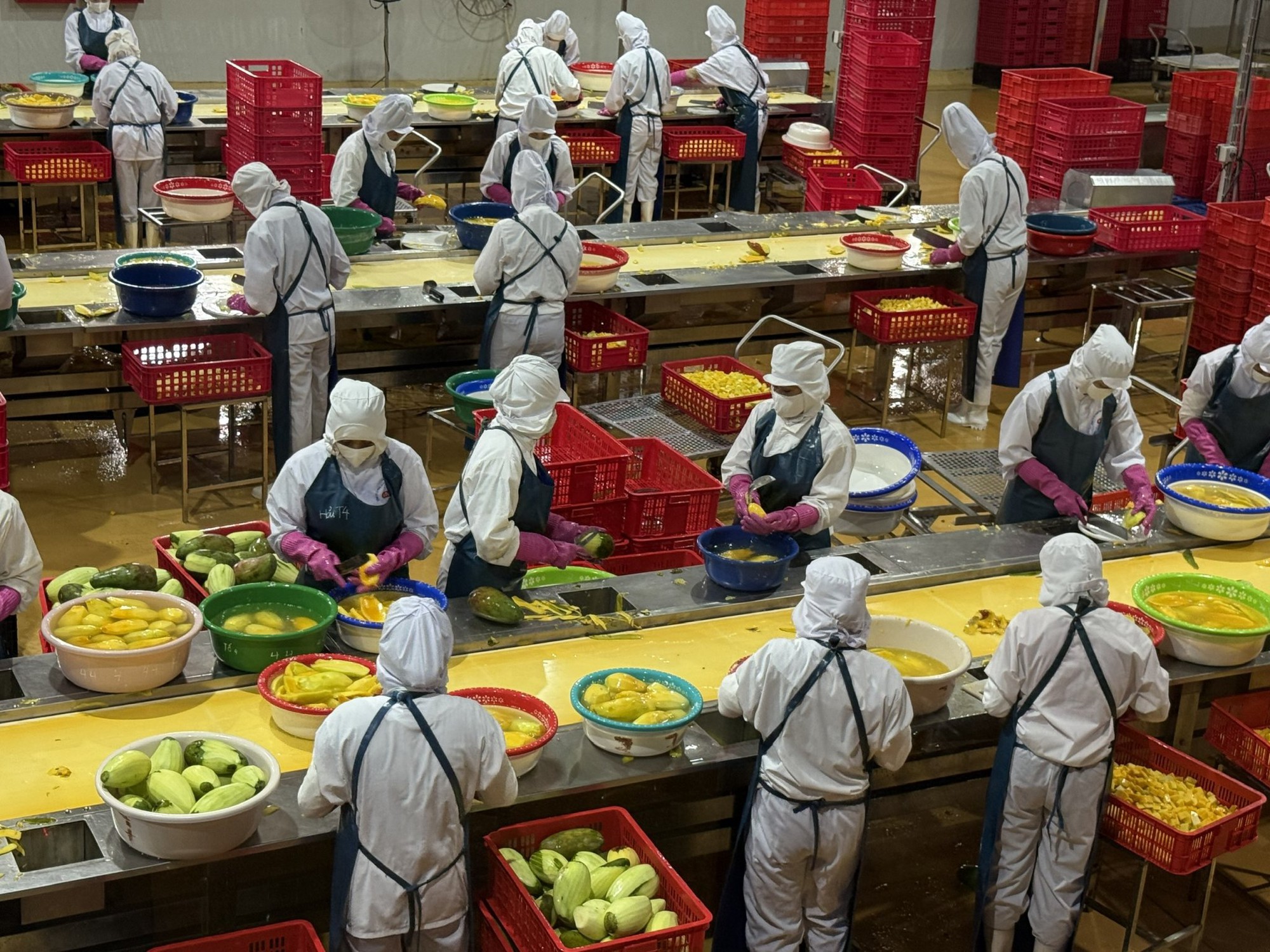
Promoting processing helps reduce post-harvest losses and enables higher agricultural exports - Photo: VGP/Do Huong
Focusing on resolving bottlenecks to drive sustainable growth
In 2026, the agricultural sector set an export turnover target of 73–74 billion USD, an increase of about 3.7–4% compared to the previous year.
Within this total, the agricultural product group is projected to reach approximately 40 billion USD. The fruit and vegetable sector is expected to continue leading growth with a target of 9–10 billion USD, anchored in the advantages of green production and accelerated deep processing.
Vietnam currently holds top global rankings in pepper and cashew nut exports, and is among the world leaders in coffee and rice. The potential for market expansion remains vast, especially through free trade agreements and tapping into promising markets such as Africa, Latin America, and the Halal market.
Alongside these positive results, the agricultural sector faces a myriad of challenges.
Climate risks are escalating, particularly the threat of water shortages triggered by El Niño, which could affect production in the upcoming period. Soaring input costs pose a substantial barrier to the green transition, especially for small and medium-sized enterprises.
Digital transformation in agriculture remains sluggish and fragmented. Many farmers continue to operate under traditional practices, while enterprises encounter difficulties accessing information and capital.
Notably, the issue of Illegal, Unreported, and Unregulated (IUU) fishing remains a significant hurdle as Vietnam prepares to work with the European Commission's inspection team.
According to experts, it is essential to improve institutional frameworks, build a unified traceability system, develop a circular economy, and enhance supportive policies—such as agricultural insurance—to incentivize long-term corporate investment.
Deputy Minister of Agriculture and Environment Phung Duc Tien noted that for the second quarter and the remaining months of the year, the agricultural sector has pinpointed its central tasks as institutional refinement, advancing digital transformation, building sectoral databases, and accelerating the green transition.
The sector's restructuring orientation continues to roll out across three product pillars, closely linked with geographical indications, traceability, and robust connections among value-chain stakeholders.
For rice, market management solutions will be stepped up to ensure stable consumption during the peak harvest season. The fishery sector will continue its trajectory as a spearhead of the marine economy, focusing heavily on aquaculture and sustainable development.
The entire sector is striving to achieve approximately 3.6% growth in Q2, continuing to maintain its role as the economic backbone.
The achievements in Q1/2026 provide positive momentum, yet they simultaneously raise an urgent imperative to innovate the growth model. Moving from "volume" to "value," and from "rapid growth" to "sustainable development" will be the central challenge for Vietnam's agricultural sector in the coming period.
Do Huong
Source: https://baochinhphu.vn/tru-do-nong-nghiep-truoc-ap-luc-gia-can-chuyen-manh-tu-san-luong-sang-gia-tri-102260422080429701.htm